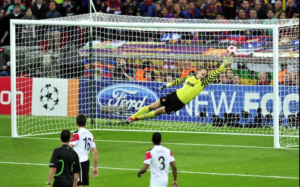
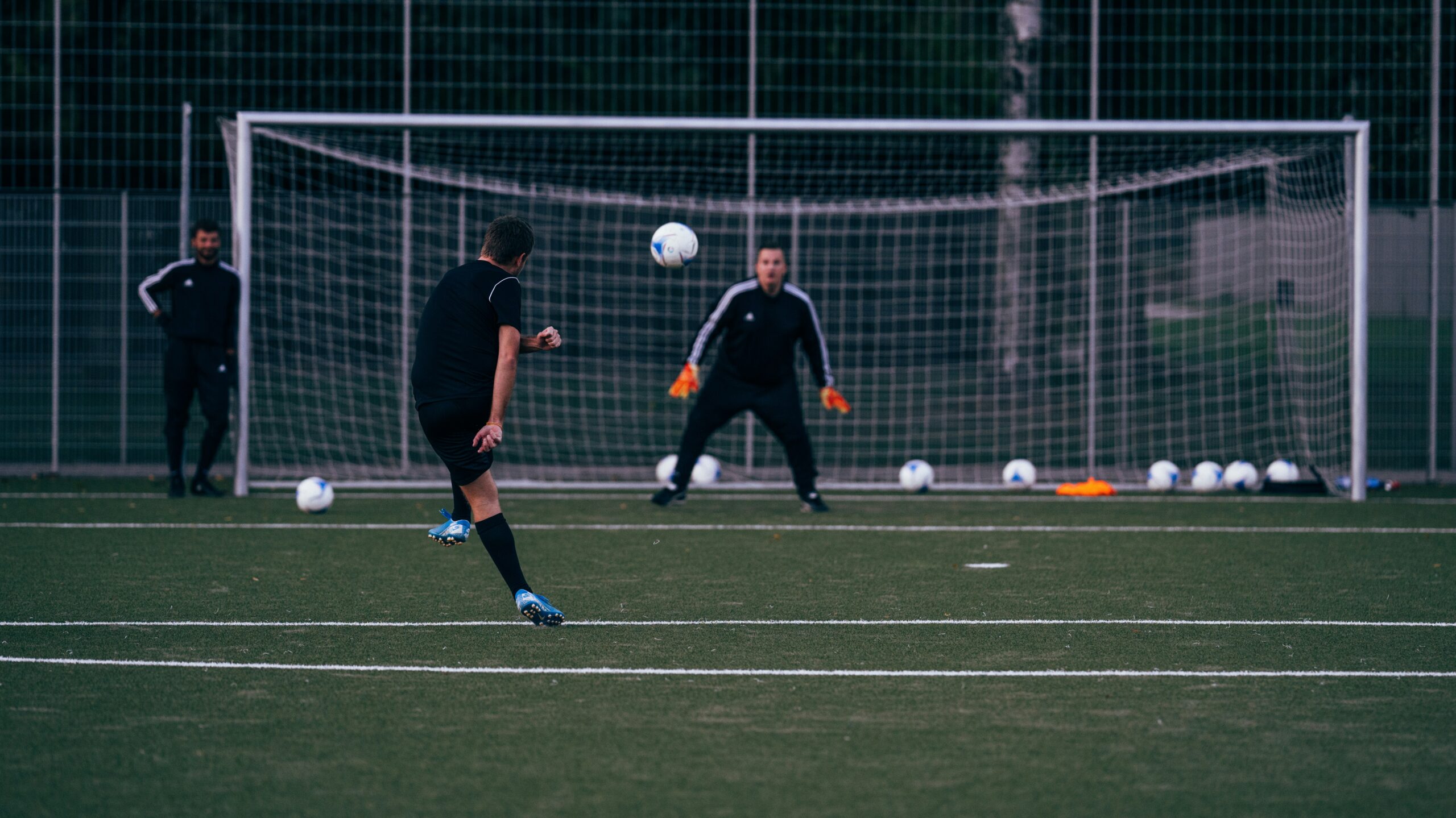

Understanding football rules for goalkeeper play is essential for anyone starting their journey between the posts. Many beginners struggle not because of skill, but because they don’t fully understand the football rules goalkeeper must follow. Knowing these laws helps you avoid fouls, penalties, and unnecessary goals conceded.
This blog breaks down goalkeeper soccer rules in a simple, beginner-friendly way, while also clearing up confusion with American football rules and the simple rules of American football, which are completely different from soccer. By the end, you’ll clearly understand soccer goalkeeper rules and your responsibilities on the field.
Why Goalkeeper Rules Matter for Beginners
Goalkeepers have unique privileges—but also strict limitations. While outfield players follow general laws, keepers must obey specific goalkeeping regulations related to handling, positioning, and restarts.
For anyone learning beginner goalkeeper rules, understanding when you can and cannot use your hands is the most important first step.
Penalty Area Rules Every Goalkeeper Must Know
Penalty Area and Handling Limits
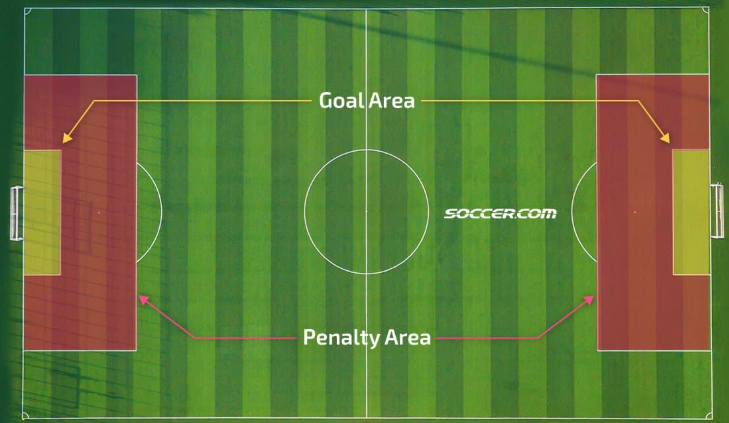
Under penalty area rules soccer, a goalkeeper may use their hands only inside the penalty box. Outside of it, you are treated like any other field player.
This includes:
- Catching the ball
- Punching crosses
- Smothering shots in 1v1 situations
Violating penalty area and handling limits leads to a direct free kick or red card, depending on the situation.
Goalkeeper Handling Rules Explained Simply
One of the most misunderstood football goalie rules explained topics is handling.
How Goalkeepers Handle the Ball
According to goalkeeper handling rules, you cannot:
- Pick the ball up after releasing it and touching another player
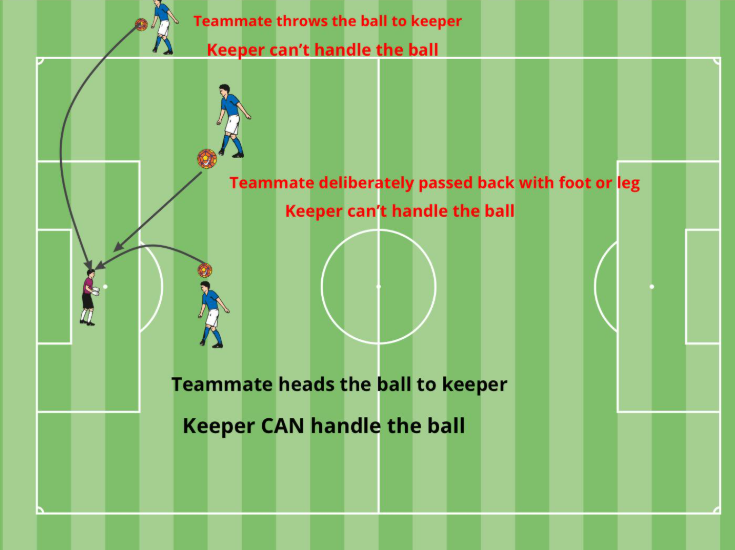
- Handle a deliberate back-pass from a teammate
- Hold the ball longer than allowed (more on that below)
These handball rules for goalkeepers are strictly enforced at competitive levels.
The Back-Pass Rule: A Common Beginner Mistake
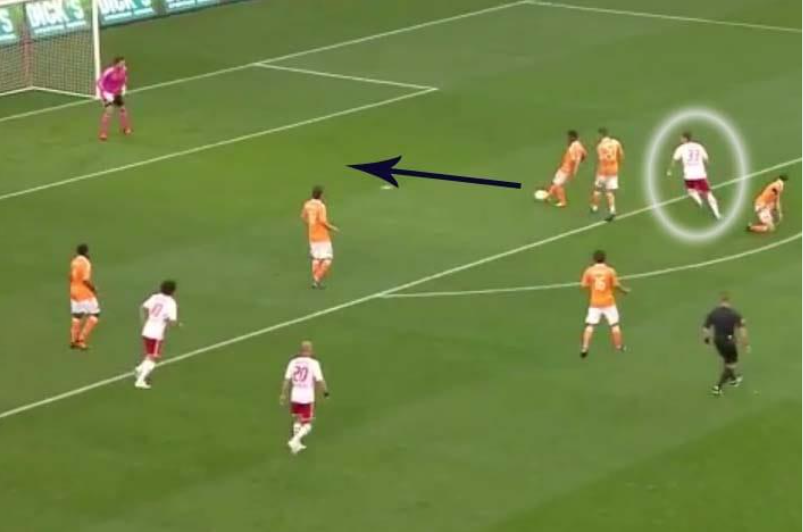
The back-pass rule soccer goalkeeper beginners struggle with most is simple:
If a teammate deliberately kicks the ball to you, you cannot use your hands.
This applies to:
- Intentional passes with the foot
- Not throw-ins (you can handle those)
Breaking the back-pass rule results in an indirect free kick inside the box—a dangerous situation.
Time-Holding Rule and Game Control
The time-holding rule prevents goalkeepers from wasting time.
A goalkeeper may only control the ball with their hands for six seconds. Exceeding this time results in an indirect free kick.
This is a key part of goalkeeper responsibilities, especially late in matches when pressure is high.
Goalkeeper Restart Rules (Goal Kicks, Throws, Drop-Kicks)
Understanding goalkeeper restart rules (goal kicks, throws) helps keep play flowing.
Common Restart Options
- Goal kicks: Ball must be stationary inside the goal area
- Throws: Overarm or bowling motion only
- Drop-kicks: Legal but increasingly discouraged in youth soccer
Knowing how to restart play correctly avoids unnecessary turnovers.
Goalkeeper Fouls and Infractions
Some common goalkeeper fouls and infractions include:
- Handling outside the penalty area
- Illegal second touch after release
- Dangerous play during corners
- Time-wasting violations
Repeated fouls may result in yellow or red cards—even for goalkeepers.
Beginner-Friendly Goalkeeper Positioning
Even though this is a rules guide, positioning matters.
Basic Goalkeeper Positioning
Staying centered, adjusting angles, and understanding positioning and angle play helps goalkeepers avoid fouls by arriving early and under control.
Good positioning reduces the need for risky challenges.
Communication With Defenders Is a Rule-Adjacent Skill
While not written directly in law, communication with defenders is expected at all levels.
Goalkeepers must:
- Call “keeper” clearly
- Organize walls on free kicks
- Alert defenders during corner kicks
Poor communication often leads to fouls or collisions.
Youth Soccer Goalkeeper Rules (U.S.)
In the U.S., youth soccer goalkeeper rules may vary slightly by league.
Common differences include:
- Smaller penalty areas
- Modified time-holding enforcement
- Emphasis on safety over punishment
Always check league-specific guidance, especially for younger age groups.
Game Scenarios Every Beginner Goalkeeper Faces
Corner Kicks
Goalkeepers must avoid dangerous contact. Punching is allowed, but charging through players recklessly is not.
1v1 Situations
You may slide and smother—but must avoid tripping or reckless contact.
Defending Penalty Shots
Goalkeepers must stay on the goal line until the ball is struck, per current goalkeeping regulations.
Soccer vs American Football Rules: Clear the Confusion
Many beginners confuse soccer goalkeeper rules with American football rules.
In simple rules of American football, players can carry the ball by hand anywhere—this does not apply in soccer.
Soccer goalkeepers:
- Use hands only in the penalty area
- Follow strict restart and handling laws
Understanding the difference prevents major confusion for beginners switching sports.
Training the Right Way While Learning the Rules
Rules are best learned through guided training. Structured coaching helps goalkeepers apply rules correctly in real scenarios.
If you’re serious about mastering soccer rules for goalkeepers, consider professional coaching at goalkeeper training Connecticut by none other than Enzo Pereira. For realistic match situations, his group goalkeeper training helps goalkeepers practice decision-making under pressure. For faster improvement and rule clarity, he offers private goalkeeper training for individualized feedback.
FAQ’s:
Can a goalkeeper pick the ball up twice?
No. Once released, the goalkeeper cannot handle it again unless another player touches it.
Can a goalkeeper score a goal with his hands?
No. Goals scored directly with the hands are not allowed.
Can a goalkeeper use their hands anywhere on the field?
No. Hands may only be used inside the penalty area.
Are there special rules for youth soccer goalkeepers in the U.S.?
Yes. Enforcement may be modified for safety and development.
What are goalkeeper responsibilities besides stopping shots?
Organizing defense, restarting play, communication, and game control.
What are the most common goalkeeper fouls?
Handling outside the box, back-pass violations, time-holding, and dangerous play.
Final Thoughts
Learning football rules for goalkeeper play is just as important as learning how to dive or catch. When beginners fully understand football rules goalkeeper must follow, confidence improves and mistakes decrease. Mastering goalkeeper soccer rules early sets the foundation for long-term success.