
Being the last line of defense is one of the most demanding roles in the game. If you are serious about learning how to be a good goalkeeper in football, you must develop strong technical skills, physical attributes, and a resilient mindset. A good goalkeeper does not just stop shots. They organize the defense, read the game, and make decisive actions under pressure.
Whether you are a beginner or aiming to become a good soccer goalkeeper at a competitive level, this guide walks you through everything you need to know to elevate your performance.
Goalkeeping Fundamentals Every Keeper Must Master
Before moving into advanced techniques, mastering goalkeeping fundamentals is essential. These basics form the foundation of reliable performances.
Shot Stopping and Saves
Effective shot stopping relies on balance, positioning, and quick reactions. Keep your knees slightly bent, hands forward, and weight on the balls of your feet. Focus on positioning and angle play so you reduce the goal before the shot is taken.
Handling and Catching
Proper handling and catching techniques help goalkeepers secure the ball cleanly and avoid rebounds. Use the W hand shape for high balls and the scoop technique for low shots. Strong goalkeeper distribution and handling begin with clean catches.
Goalkeeping Tips on Diving
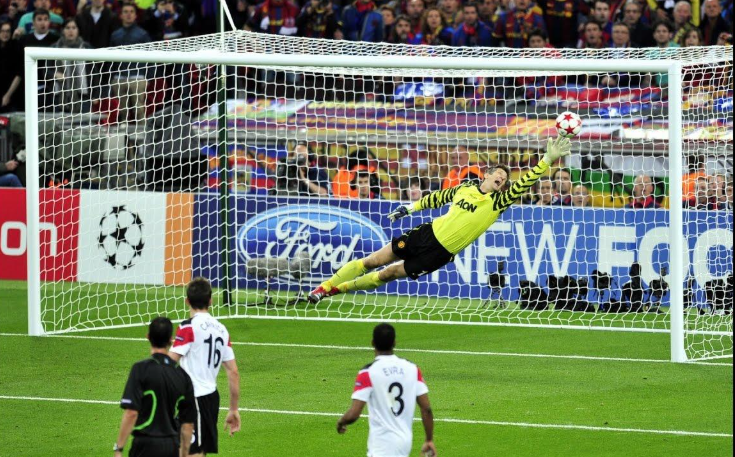
Diving is about technique, not just athleticism. Push off your nearest foot, lead with your hands, and land on your side. These goalkeeping tips on diving help prevent injuries and improve reach.
Goalkeeper Footwork, Movement, and Positioning
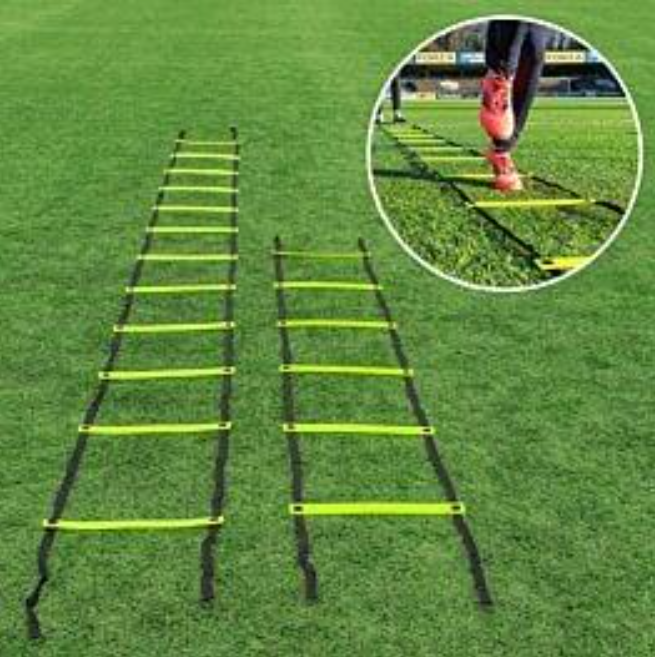
Elite keepers excel at goalkeeper footwork. Quick steps allow you to adjust positioning and react faster.
Footwork and Movement Drills
Incorporate ladders, cones, and shuffle drills to improve goalie positioning and movement. Efficient movement ensures you are always set before the shot.
Angle Management
Understanding positioning and angle play allows you to cut down scoring chances without making saves look spectacular. Small steps forward can make a big difference.
Physical Attributes of a Good Goalkeeper
A good goalkeeper must combine strength, speed, and explosiveness.
Agility and Reflex Speed
Use agility and reflex exercises such as reaction balls, light drills, and rapid fire shots. Dedicated goalkeeper reflex training improves response time in close range efforts.
Strength and Conditioning
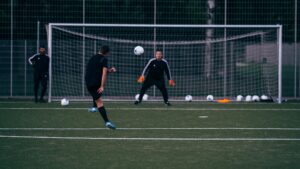
Lower body strength supports powerful dives and jumps, while core training improves balance during saves. Including plyometrics and sprint work as part of your football goalkeeper training routine is essential. Watch this video for a full D1 goalkeeper training session by FDU Men’s Soccer that demonstrates elite level strength, movement, and conditioning in action
Tactical and Mental Skills for Goalkeepers
Goalkeeping is as much mental as physical.
Reading the Game
Anticipation separates average keepers from elite ones. Reading body shape, pass direction, and striker tendencies improves decision making under pressure.
Communication and Organization
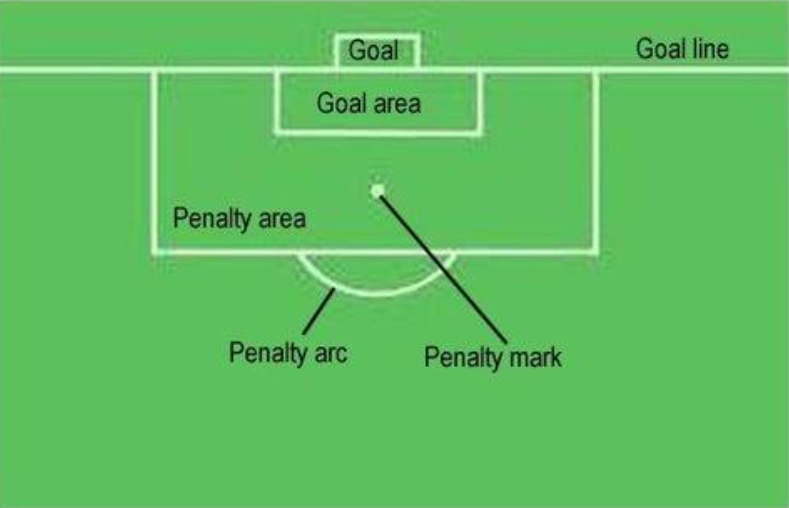
Clear communication with defenders helps maintain defensive structure. A confident keeper is always talking, especially when commanding the penalty area.
Mental Resilience
Mistakes happen. Strong focus and recovery mindset define top performers. Mental toughness allows keepers to stay sharp for 90 minutes.
Distribution and Ball Control
Modern goalkeepers must play with their feet.
Advanced Distribution Skills
Develop advanced distribution skills such as driven passes, side volleys, and quick throws. Effective distribution launches counterattacks and keeps possession.
One on One Situations
In one on one situations, stay patient. Close the angle, stay big, and react to the attacker’s touch rather than guessing.
Situational Play Every Goalkeeper Must Handle
Dealing With Crosses and Corners
Timing, bravery, and communication are vital when handling crosses. Stay decisive when commanding the penalty area, especially during corners.
Penalty Saves
Goalkeeper tips for penalty kicks include studying shooter habits, staying relaxed, and committing fully. Confidence often matters more than guessing correctly.
Rules Awareness
Understanding the rules of a goalkeeper in football, such as handling restrictions and the six second rule, prevents costly mistakes.
Training the Right Way
By the Maestro Enzo Pereira
Consistent soccer goalkeeper drills help reinforce skills. Focus on quality over quantity and replicate match scenarios. Wearing the right goalkeeper gloves improves grip and confidence during training and games.
If you’re serious about accelerating your progress, professional coaching makes a huge difference. Structured sessions by the expert himself, goalkeeper training in Connecticut by Enzo Pereira, who provides technical, physical, and mental development tailored to your level. You can also benefit from his group goalkeeper training to build communication and match realism, or private goalkeeper training for individualized attention and rapid improvement.
Best Goalkeeper Tips for Long Term Improvement
- Train consistently, not occasionally
- Focus on technique before power
- Improve handling and catching daily
- Stay vocal and confident
- Review game footage to improve decision making under pressure
These are some of the best goalkeeper tips used by top professionals worldwide.
Frequently Asked Questions
What Defines a Great Goalkeeper?
A great goalkeeper combines technical ability, mental strength, leadership, and consistency. They excel at shot stopping, communication, and decision making.
How to Be a Good Goalkeeper in Football for Beginners
Beginners should start with fundamentals such as positioning, catching, footwork, and simple drills. Confidence grows gradually with consistent practice.
What Are the Most Important Skills for a Football Goalkeeper?
Key skills include reflexes, handling, diving, distribution, communication, and tactical awareness.
How Can I Improve My Reflexes as a Goalkeeper?
Reaction drills, close range shots, and visual cue exercises help improve reflexes. Regular goalkeeper reflex training is essential.
What Drills Should I Do to Become a Better Goalkeeper?
Cone footwork drills, diving progressions, handling circuits, and simulated match scenarios are highly effective.
Final Thoughts
Learning how to be a good goalkeeper in football takes dedication, patience, and the right guidance. By mastering technique, improving physical attributes, and sharpening your mental game, you can become the dependable presence every team needs. Stay disciplined, train smart, and continue developing into a confident soccer goalkeeper.