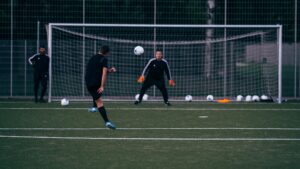
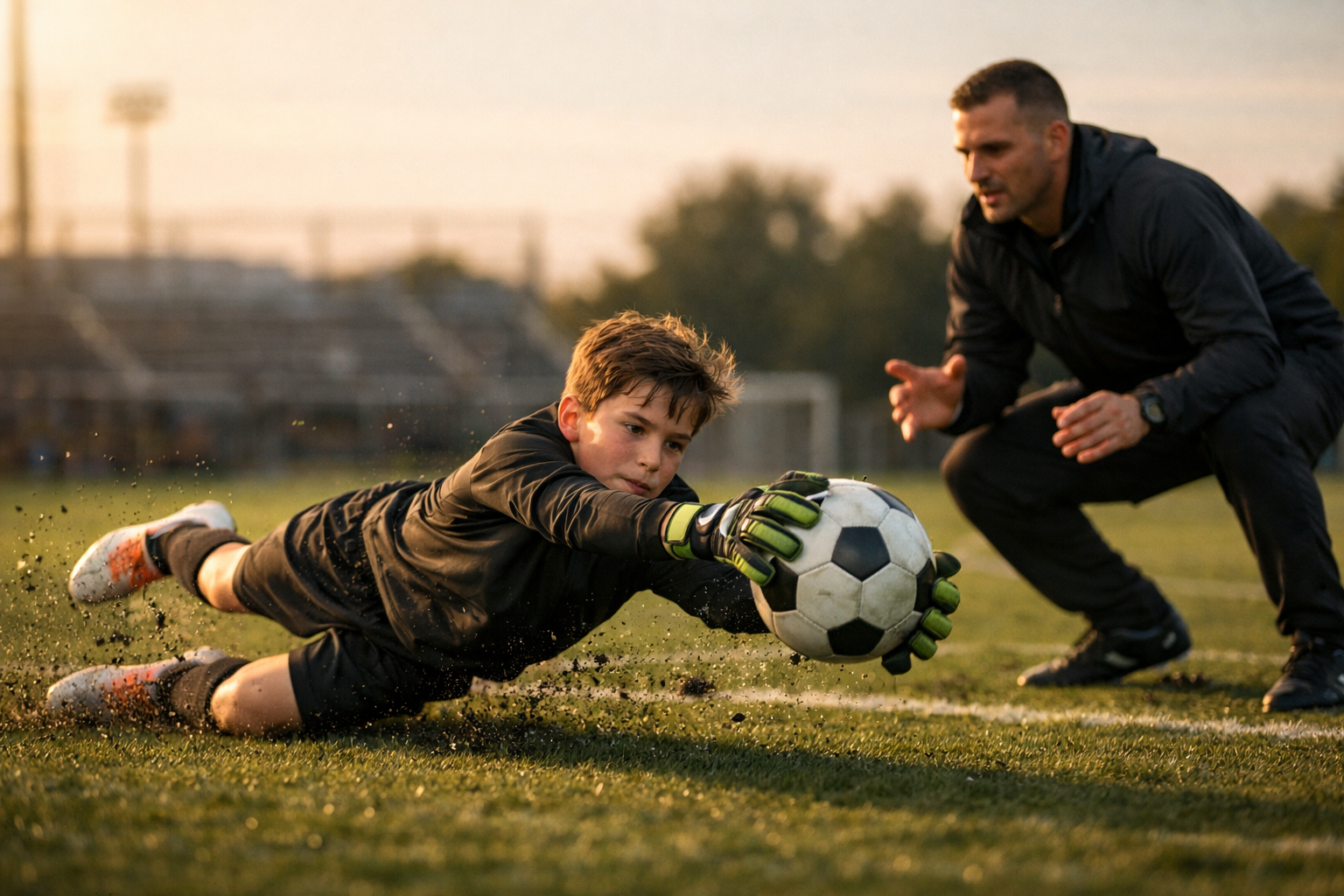

If you’re a goalkeeper looking to get serious about your development, or a parent trying to figure out what it actually costs to hire a private coach, you’ve come to the right place. Private goalkeeper training cost in Connecticut varies depending on a few key factors, and knowing what to expect before you start making calls can save you a lot of time and frustration.
This article breaks down real pricing, explains what affects the cost, and helps you figure out which training option makes the most sense for your situation.
What Is the Average Cost of Private Goalkeeper Training in Connecticut?
Private goalkeeper training cost in Connecticut typically falls between $60 and $150 per session. That’s a fairly wide range, and where a coach lands on that scale depends on their experience, certifications, session length, and whether you’re training one on one or in a small group.
Here’s a general breakdown of what you can expect:
- Entry-level or newer coaches: $60 to $80 per session
- Mid-level coaches with club or high school experience: $80 to $110 per session
- Elite or nationally certified coaches: $110 to $150+ per session
These numbers reflect the going rate for one on one goalkeeper training price in the Northeast, which tends to be slightly higher than the national average due to the cost of living and the density of competitive soccer programs in the region.
For comparison, goalkeeper coaching fees across the broader USA tend to start around $50 per session in lower cost-of-living areas and can go well above $150 in major metro areas. Connecticut sits in the middle-to-upper range of that national scale.
Factors That Affect Goalkeeper Training Cost in Connecticut
Not all sessions cost the same, and that’s not a bad thing. The private soccer training price in Connecticut reflects real differences in what you’re getting. Here are the main factors that move the needle.
Coach Credentials and Experience
A coach with United States Soccer Federation (USSF) licensing or a National Goalkeeper Coach certification is going to charge more than someone without formal credentials. That’s not just about prestige. Certified coaches have gone through structured education in goalkeeper skill development, training methodology, and player psychology. You’re paying for that knowledge.
Professional goalkeeper trainer fees at the elite level also reflect coaches who have played at the college or professional level themselves. That real-world experience is something you can’t replicate with a textbook.
Session Length
Most private goalkeeper training sessions run between 45 minutes and 90 minutes. Shorter sessions are common for younger players or introductory work. Longer sessions allow more time for technical drills, film review, and conditioning. Soccer coaching rates per hour typically range from $70 to $120, so a 90-minute session at that rate would cost $105 to $180.
Location and Facility
Training at a private facility with quality turf, proper lighting, and full equipment costs more than meeting at a local park. Some coaches include facility fees in their rate. Others charge separately. Always ask upfront so you know exactly what you’re paying for.
One on One vs. Small Group
Soccer private lessons cost per hour are highest when it’s just you and the coach. Small group training with two or three goalkeepers can bring the per-player cost down to $40 to $70 per session while still offering quality coaching. If budget is a concern, a small group setup is worth considering without sacrificing too much individual attention.
Goalkeeper Training Packages and How They Work
Many coaches offer goalkeeper training packages instead of booking one session at a time. These are typically bundles of four, eight, or twelve sessions sold at a slight discount compared to the per-session rate.
A typical package structure might look like this:
- 4-session package: $300 to $500
- 8-session package: $550 to $900
- 12-session package: $800 to $1,300
Packages work well if you’ve already trained with a coach and know their style fits you. They create consistency in your training calendar and usually lock in a better rate. For youth goalkeeper training fees specifically, packages are a popular choice because parents appreciate the predictability of a set cost.
Some coaches also offer monthly retainer arrangements where you pay a flat fee for a set number of sessions per month. This works especially well for goalkeepers who train year-round and want a stable development rhythm.
Is Private Goalkeeper Training Worth the Cost?
This is the question most parents ask, and the answer is: it depends on what your goalkeeper is trying to accomplish.
If your child plays recreational soccer and enjoys the sport casually, club training is probably enough. But if they’re aiming for a high school varsity spot, a college scholarship, or just want to genuinely improve their shot-stopping, distribution, and footwork, private coaching is one of the most direct ways to get there.
Club training puts a goalkeeper in a group setting where the field players get most of the attention. A goalkeeper can stand in front of the net for an entire practice and touch the ball fewer than 20 times. In a private session, every rep is designed around goalkeeper-specific movements, decision-making, and positioning. The goalkeeper training investment is really in focused repetitions.
US Youth Soccer and the United States Soccer Federation both emphasize position-specific development as part of long-term athlete development. Private coaching directly supports that model.
Private Training vs. Club Training: What’s the Difference in Value?
Club training is a team environment. It builds tactical understanding, game sense, and chemistry with teammates. That’s irreplaceable. But it doesn’t give goalkeepers the volume of position-specific reps they need to actually improve technically.
Soccer goalkeeper training price in Connecticut is an add-on to club training, not a replacement for it. The goalkeepers who develop fastest are usually the ones doing both. They train with their club team multiple times a week and layer in one or two private sessions to work on the technical details that club training doesn’t have time to address.
Think of it this way. A club practice might spend 10 minutes on set pieces and crossing. A private session can spend the entire 60 minutes on exactly that, with a coach who specializes in developing goalkeepers.
What to Look for in a Private Goalkeeper Coach in Connecticut
Price matters, but it’s not the only thing to look at when hiring a coach. Here are a few questions worth asking before you commit:
- What coaching certifications do you hold? Look for USSF licenses or GK-specific credentials.
- Do you have experience working with goalkeepers at my age and level?
- What does a typical session look like?
- Do you offer video analysis or written feedback?
- What is your cancellation and rescheduling policy?
A good coach answers these questions clearly and confidently. If they’re vague or defensive, that tells you something.
The cost of private soccer coaching in Connecticut is higher when a coach offers more than just drills. Coaches who provide session recaps, video breakdown, and structured long-term plans are delivering more value than someone who just shows up and runs you through footwork patterns.
Goalkeeper Coach Cost Per Session: Training Options in Connecticut
If you’re ready to start looking at coaching options, there are a few ways to get started. Private goalkeeper training in Connecticut through ELP Goalkeeping offers structured one on one sessions designed around goalkeeper skill development at every level, from youth players building a foundation to high school athletes preparing for college soccer.
Working directly with a Goalkeeper Coach in Connecticut gives players a consistent point of contact who tracks their progress over time. That continuity makes a real difference in how quickly a goalkeeper develops.
For goalkeepers who want structured training alongside peers, Goalkeeper Camps in Connecticut offer an intensive training environment at a lower per-session cost than private lessons. Camps are excellent for players who want a burst of focused development during the offseason or school breaks.
If regular group training fits your schedule better than intensive camps, Group Goalkeeping Training in Connecticut keeps the training volume high while keeping costs manageable. Group sessions work well as a complement to private coaching or as a starting point for younger goalkeepers.
How Often Should a Goalkeeper Train Privately?
Most coaches recommend one to two private sessions per week for players who are serious about improving. Younger players or beginners can see solid progress with just one session per week combined with regular club training.
Elite or high school varsity goalkeepers preparing for college soccer typically train two to three times per week privately, in addition to team practices and matches. At that level, the average cost of goalkeeper training adds up quickly, which is why packages and monthly arrangements become more practical.
The key is consistency over time. A goalkeeper who trains once a week for six months will develop far more than one who does ten sessions in a single month and then takes a long break. Private sports coaching cost is easier to justify when the schedule is sustainable.
Elite Goalkeeper Coaching: When to Step Up the Investment
Not every goalkeeper needs elite goalkeeper coaching price-level sessions right away. But if a player is in their freshman or sophomore year of high school, has college soccer as a realistic goal, and is competing at a high club level, stepping up to a more experienced private goalkeeper coach in Connecticut makes sense.
At this stage, small technical details start to matter a lot. Footwork patterns, distribution under pressure, handling crosses in traffic, and reading attackers early are all things that separate college-ready goalkeepers from the rest. A coach at the elite tier has the background to identify and fix those things in ways that a generalist coach simply cannot.
Soccer training session pricing at the elite level reflects that depth of instruction. Think of it as the difference between a general tutor and a subject-matter expert. Both help, but when the subject is specialized, the specialist makes a bigger difference.
Frequently Asked Questions
How much does private goalkeeper training cost in Connecticut?
Private goalkeeper training cost in Connecticut generally ranges from $60 to $150 per session depending on the coach’s experience, session length, and whether the training is one on one or in a small group. Elite certified coaches typically charge $110 or more per session.
What is the average cost of a goalkeeper coach per hour?
The average cost of goalkeeper training per hour in Connecticut is between $70 and $120. Coaches with advanced certifications or significant playing backgrounds tend to charge at the higher end of that range.
Is private goalkeeper training worth the cost?
For goalkeepers with competitive goals, yes. Private coaching provides focused, position-specific repetitions that club training simply cannot deliver in volume. Players who combine club training with private sessions typically develop faster and more consistently.
How often should goalkeepers train privately?
One to two sessions per week is a good baseline for serious goalkeepers. Players preparing for college soccer or trying to earn a varsity starting spot often train two to three times per week privately in addition to team practices.
Do goalkeeper coaches offer monthly packages?
Yes. Many private goalkeeper coaches in Connecticut offer packages of four, eight, or twelve sessions at a bundled rate that is lower than the standard per-session cost. Some coaches also offer monthly retainers for year-round players.
Is private training better than club training?
They serve different purposes. Club training builds tactical awareness and team chemistry. Private training focuses on technical goalkeeper skill development with high rep volume. The two work best together, not as alternatives to each other.
What age should goalkeepers start private training?
Most goalkeepers start private training somewhere between ages 9 and 12, once they have a foundation in the position and are playing regularly on a club team. Starting too young can be counterproductive if the player hasn’t developed enough to apply position-specific coaching.
How long is a private goalkeeper training session?
Sessions typically run between 45 minutes and 90 minutes. Younger or newer goalkeepers often benefit from shorter, more focused sessions. Older or more advanced goalkeepers can sustain longer sessions that cover technical work, conditioning, and video review.
Final Thoughts
Private goalkeeper training cost in Connecticut is a real investment, and it’s worth understanding exactly what you’re paying for before you commit. The price range is wide because the quality and structure of coaching varies significantly. A $60 session with a newer coach and a $140 session with a USSF-certified trainer are two very different experiences.
Do your homework, ask the right questions, and look for a coach whose training philosophy matches where your goalkeeper is today and where they want to be in a year or two. The right goalkeeper coach cost per session pays off in ways that go far beyond any single number on a receipt.