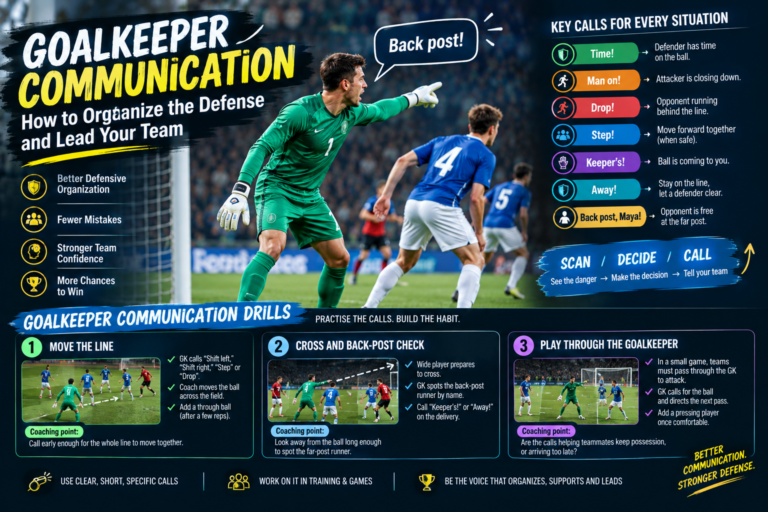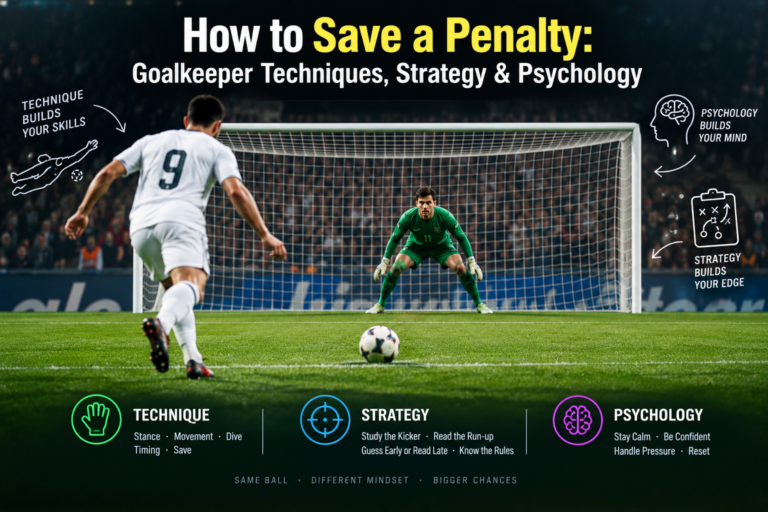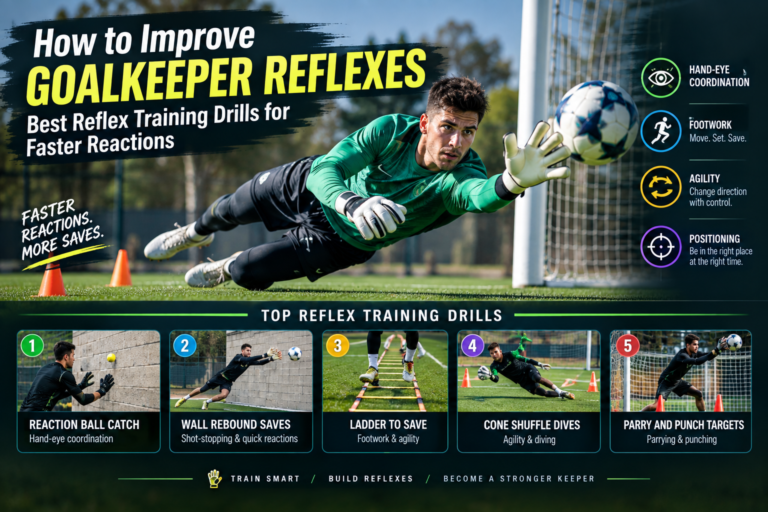
Being a goalkeeper isn’t for the faint-hearted. One minute, you’re watching the game from a distance; the next, you’re diving at an attacker’s feet or stretching to stop a powerful shot.
The 2026 FIFA World Cup offered a sharp reminder of how demanding this position can be. During Belgium’s quarter-final against Spain, Thibaut Courtois suffered a leg injury and had to leave the field. His replacement, Senne Lammens, later failed to hold a long-range shot, allowing Spain to score the winner.
Of course, equipment alone won’t turn you into a world-class goalkeeper. However, the right gear can protect your body, support your movement, and give you greater confidence.
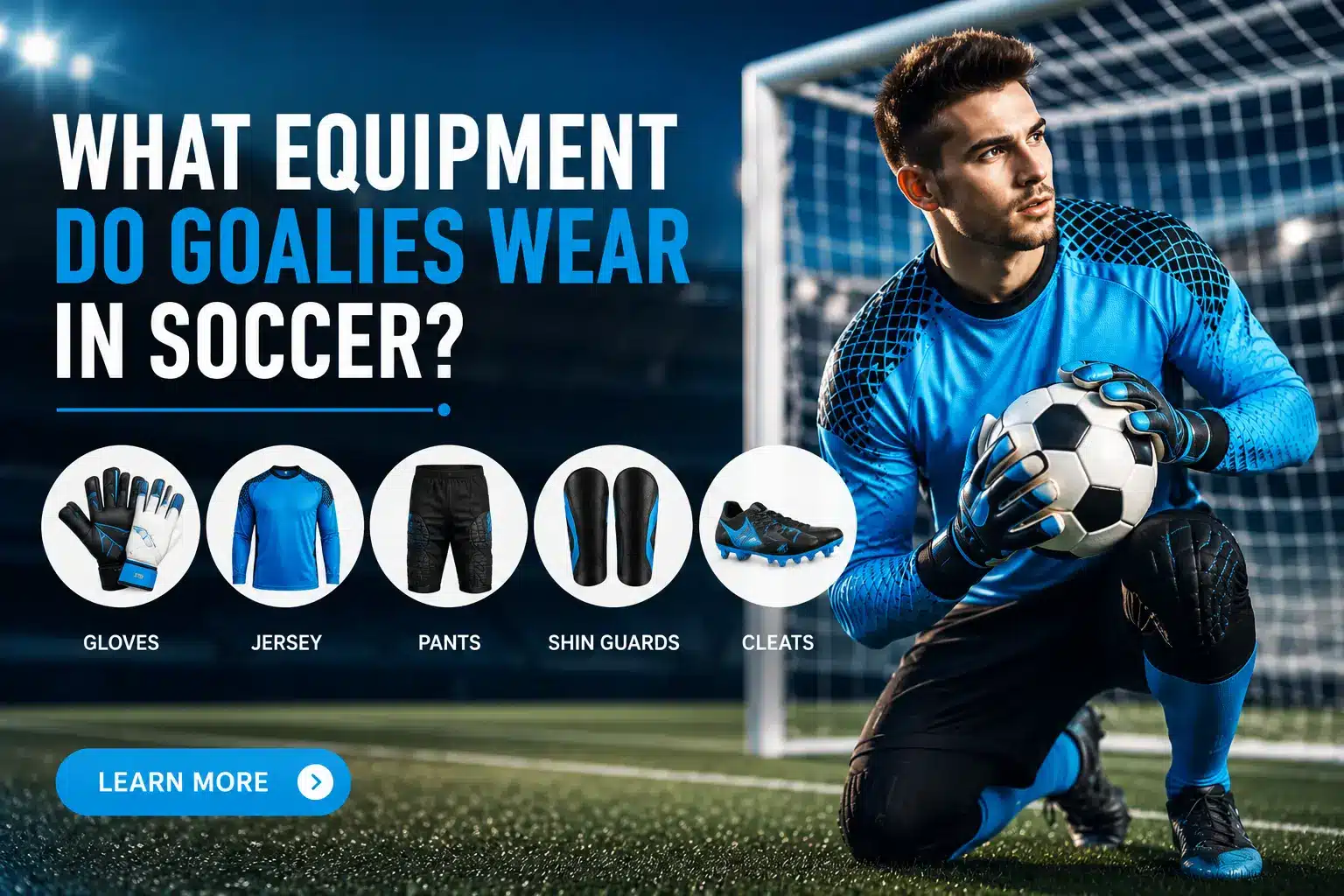
So, what do goalies wear in soccer? This complete Soccer Goalie Gear List covers everything you need.
Complete Soccer Goalkeeper Gear Checklist
Here are the main items in a basic goalkeeper equipment list:
- Goalkeeper gloves
- A different-coloured goalkeeper jersey
- Soccer shorts or goalkeeper pants
- Shin guards
- Long soccer socks
- Soccer cleats
- A padded base layer
- Optional elbow and knee protection
- An optional mouthguard and protective cup
- A water bottle and equipment bag
Some items are required, while others depend on the player’s age, position, comfort, playing surface, and competition rules.
1. Goalkeeper Gloves
Goalkeeper gloves are usually the first item on any Soccer Goalie Gear List. They improve grip, cushion the hands against powerful shots, and may provide additional support for the fingers and wrists.
When choosing gloves, consider:
- Palm grip
- Finger protection
- Wrist support
- Fit and comfort
- Wet-weather performance
- Durability
Some gloves contain removable finger spines. These help prevent the fingers from bending too far backwards. They can be helpful for beginners, although some experienced goalkeepers prefer the added flexibility of gloves without spines.
The gloves should fit securely without squeezing your hands. If they’re too loose, controlling the ball can feel like trying to catch a bar of soap.
Many goalkeepers keep one pair for matches and another for training. This stops everyday practice from wearing out their best gloves too quickly.
2. A Different-Coloured Goalkeeper Jersey
Why does the goalkeeper wear a different colour from everyone else?
The different-coloured jersey allows referees, teammates, and opponents to identify the goalkeeper easily. This is important because the goalkeeper has special permission to handle the ball within their own penalty area.
The jersey should be clearly distinguishable from the colours worn by both teams and the match officials.
Goalkeeper jerseys are normally made from breathable material. Some also include padding around the elbows, shoulders, or forearms. Long sleeves may provide extra protection against scrapes, particularly on artificial turf.
The most important factors are visibility, comfort, and freedom of movement.
3. Padded Shorts or Goalkeeper Pants
When people ask, “What equipment do goalies wear?”, they sometimes forget about lower-body protection.
Goalkeepers spend a lot of time diving, sliding, and landing on the ground. After several saves, ordinary soccer shorts may not feel like enough.
Padded goalkeeper shorts normally contain cushioning around the hips and thighs. Goalkeeper pants offer more coverage and may also include knee padding.
Shorts are often more comfortable during hot weather. Pants may be more suitable in cold conditions or on artificial turf, where sliding can cause painful burns.
Do goalkeepers need padded shorts or pants? They aren’t always required, but they can be extremely useful. Choose an option that provides protection without limiting your ability to jump, crouch, or change direction.
4. Shin Guards and Soccer Socks
Every proper goalkeeper equipment list should include shin guards and long soccer socks.
Goalkeepers can be kicked or struck in the lower legs when challenging attackers for the ball. Shin guards protect the front of the lower leg, while soccer socks keep them covered and help hold them in place.
Some players also use shin-guard sleeves, straps, or tape. These can prevent the guards from moving during quick changes of direction.
Traditional shin guards may leave the sides of the legs exposed. Protective leg sleeves can provide additional coverage, but they shouldn’t replace equipment required by the league.
Always check your competition’s rules before buying or wearing additional protection.
5. Soccer Cleats
A goalkeeper needs reliable traction. One small slip can be the difference between making a brilliant save and watching the ball roll into the net.
Choose cleats according to the surface you play on. Firm-ground, soft-ground, and artificial-turf shoes are made for different conditions.
Your cleats should hold your heel securely without crushing your toes. Some goalkeepers also wear grip socks or specialised insoles to prevent their feet from moving inside their shoes.
Don’t select cleats only because they look good. Comfort, grip, fit, and suitability for the playing surface should always come first.
Good footwork is just as important as suitable footwear. Structured group goalkeeper training can help players develop quicker movement, balance, and positioning.
6. Padded Base Layers
A padded undershirt or compression layer is another useful item to add to your Soccer Goalie Gear List.
These garments may include padding around the ribs, shoulders, elbows, or chest. They can reduce minor impacts, scrapes, and turf burns while drawing sweat away from the body.
This protection may be particularly useful for goalkeepers who regularly train on artificial turf.
Look for a lightweight base layer that fits comfortably beneath the jersey. Bulky padding may feel protective, but it won’t help if it makes diving and reaching more difficult.
Young players can practise safe handling and diving techniques through suitable goalkeeper soccer camps.
7. Mouthguards and Testicle Protection
Do goalkeepers wear testicle protection? Some goalkeepers do, particularly when they’re concerned about close-range shots and accidental collisions.
A protective cup is generally optional in soccer. It may provide additional confidence and protection, but it must fit correctly. It shouldn’t restrict the goalkeeper’s ability to run, kick, jump, or dive.
Some goalkeepers also wear mouthguards to protect their teeth and jaw. A mouthguard can be helpful during crowded situations, but it should still allow the player to breathe and communicate clearly.
Parents who are uncertain about protective equipment should speak to the player’s coach and check the relevant league rules.
8. Optional Elbow, Knee and Head Protection
Elbow pads, knee guards, padded arm sleeves, and protective headgear may also appear on an advanced goalkeeper equipment list.
These accessories can help reduce:
- Bruises from repeated landings
- Scrapes and abrasions
- Artificial-turf burns
- Discomfort around the elbows and knees
Headgear may provide some cushioning, but it cannot prevent every head injury or guarantee protection from concussion. It should never encourage a goalkeeper to take unnecessary risks.
Any protective equipment should fit correctly, remain secure during movement, and comply with the competition’s rules.
If you’re unsure which protective items are suitable, a specialist providing goalkeeper training in Connecticut can assess your technique and training environment.
9. Goalkeeper Bag and Glove-Care Supplies
A complete Soccer Goalie Gear List should also cover the smaller items that keep your equipment organised.
Your goalkeeper bag may contain:
- Match gloves
- Training gloves
- Spare socks
- A clean base layer
- A towel
- A water bottle
- Glove cleaner
- Shin-guard sleeves or tape
- A basic first-aid kit
Clean your gloves according to the manufacturer’s instructions and allow them to dry naturally. Don’t leave wet gloves inside a closed equipment bag. Proper care can preserve their grip and prevent unpleasant smells.
When planning your overall budget, it may also help to compare the typical goalkeeper training cost.
Does a Youth Goalkeeper Need Different Gear?
Youth and adult goalkeepers need the same basic categories of equipment. However, the sizing, weight, fit, and level of protection may differ.
Youth goalkeeper equipment should fit the player now rather than leaving too much room for growth. Oversized gloves make catching and controlling the ball more difficult, while loose padding may move out of place.
Young players don’t need expensive professional equipment when they’re just starting. Begin with comfortable, properly fitted essentials and upgrade the kit as the goalkeeper develops.
Frequently Asked Questions
What Equipment Do Soccer Goalies Need?
A basic goalkeeper equipment list includes gloves, a different-coloured jersey, shorts or pants, shin guards, soccer socks, and suitable cleats. Players may also use padded clothing, mouthguards, protective cups, and joint protection.
Are Goalkeepers Required to Wear Gloves?
Goalkeepers commonly wear gloves because they improve grip and protect the hands. However, gloves don’t give a player permission to handle the ball. The goalkeeper’s position and location inside the penalty area determine when handling is allowed.
Why Do Goalkeepers Wear a Different-Coloured Jersey?
The different colour allows the referee and players to identify the goalkeeper. This is necessary because goalkeepers follow different handling rules from field players.
Is Goalkeeper Equipment Different From What Field Players Wear?
Yes. Goalkeepers use specialised gloves and frequently wear padded clothing. However, they still need standard soccer equipment, including shin guards, socks, shorts or pants, and cleats.
Do Goalkeepers Need Padded Shorts or Pants?
Padded shorts and pants are usually optional, but they can protect the hips, thighs, and knees during dives. They’re especially helpful on hard ground and artificial turf.
Final Thoughts
This soccer goalkeeper gear checklist doesn’t need to be complicated. Start with well-fitting gloves, a visible jersey, shin guards, socks, and surface-appropriate cleats. Then add padded clothing and optional protection according to the goalkeeper’s age, playing style, and field conditions.
As the saying goes, a good worker never blames their tools—but having the right tools certainly helps. Use this Soccer Goalie Gear List to choose comfortable, reliable equipment that follows the rules and lets you concentrate on protecting the goal.