Stand next to a pro goalkeeper sometime, and it hits you fast: they’re taller in person than they look on a TV screen. That’s not an accident. Height matters more at the goalkeeper position than almost anywhere else on the pitch, and it shows. It’s usually the first thing parents and young players want to know when they start asking about the average goalkeeper height, and if their kid really measures up.
It depends on age, level, and league. But there are actual numbers behind the question, and they explain a more interesting story than any one single figure could.
So What’s the Average Goalkeeper Height, Really?
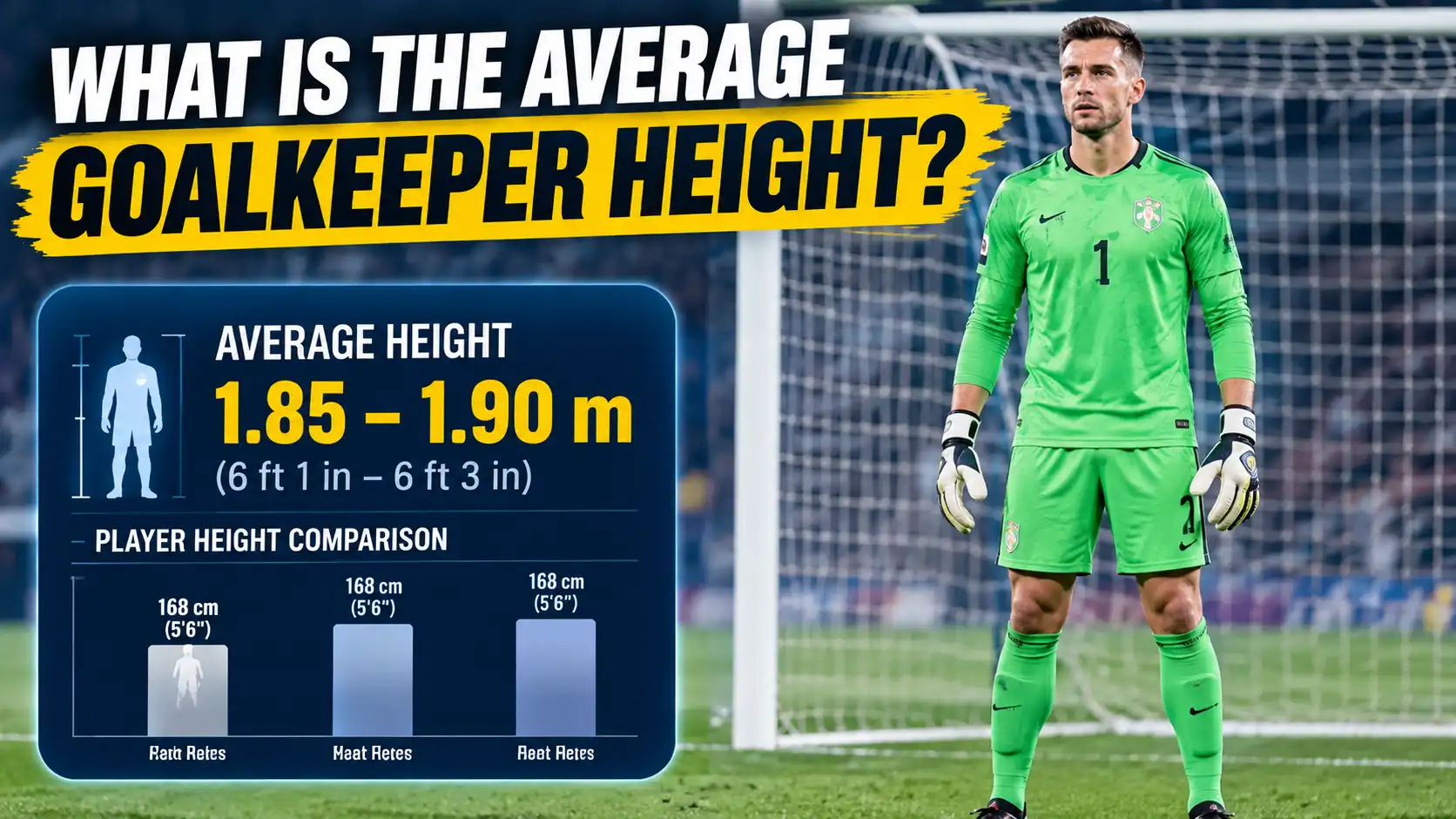
At the pro level, the average soccer goalkeeper height sits around 6’2″ to 6’3″ (188 to 190 cm). That number has crept up steadily over the past few decades as clubs lean harder into size at the position every year. Professional goalkeeper height is now one of the most closely tracked numbers in modern scouting, right alongside speed and wingspan.
Data from the 2026 FIFA World Cup makes this easy to see. Goalkeepers were the tallest position group in the whole tournament, averaging roughly 6’2.7″, ahead of defenders, forwards, and midfielders. A few names show just how wide that range actually gets:
- Austria’s Florian Wiegele stood 2.05 meters (6’9″), the tallest player ever named to a World Cup squad, breaking a record set by a Dutch goalkeeper at the last tournament
- Colombia’s Álvaro Montero stood close behind him at 2.01 meters
- Argentina’s Emiliano Martínez, one of the best shot stoppers in the world and a World Cup winner, measures 195 cm (6’5″), tall by everyday standards but far from a physical outlier among his peers
Average Goalkeeper Height by Age
Height at younger ages is a much messier picture. Growth kind of does its own thing, not like a neat chart. A wiry 12-year-old goalkeeper might outgrow every teammate by 16, easy. Meanwhile, a tall 10-year-old can stop gaining height earlier than everyone figures. None of the numbers below are official cutoffs, ok. They’re more like general reference points, not strict rules, and they shift depending on the club or the program, too.
| Level | Typical Height Range | Note |
|---|---|---|
| U10-U12 youth | 4’8″ to 5’2″ | Wide variation, growth unpredictable |
| U13-U15 youth | 5’2″ to 5’8″ | Growth spurts common |
| High school | 5’7″ to 6’1″ | Range still wide, technique matters most |
| College soccer | 5’10” to 6’3″ | Coaches weigh height against overall skill |
| Professional soccer | 6’1″ to 6’4″ | Elite level, size increasingly valued |
These ranges shift by country, league, and even club philosophy. Treat them as a rough guide, not a scorecard. In competitive youth soccer especially, a shorter kid on this chart today can look completely different in just two years.
A few things worth remembering at every age bracket:
- Growth plates stay open until the late teens, so a shorter 14-year-old isn’t stuck at that height forever
- Coaches at the youth level should care more about footwork, catching, and smart choices than a kid’s projected adult height
- Late bloomers often pass early-maturing teammates by the time they reach college soccer
- Comparing a child’s current height to a pro average creates pressure that has nothing to do with real growth
Is There a Best Height for a Goalkeeper?
Not really, though plenty of scouts will tell you otherwise. The honest best height for a goalkeeper is whatever height comes with good hands, sharp reflexes, and real command of the penalty area. Reach matters, but reach isn’t only about height. A goalkeeper’s wingspan can add several inches of extra coverage beyond their standing height. That’s part of why some clubs now measure wingspan on its own, instead of leaning on a single number.
History backs up the case for shorter keepers too. A couple of names make that point clearly:
- Nick Rimando built a long MLS career on the back of quick hands and sharp footwork, earning a reputation as one of the league’s best penalty-stoppers while standing just 5’9″
- Jorge Campos started in goal for Mexico at two separate World Cups, standing only 5’7″ and making up the gap with explosive agility and fearless positioning
Both players proved that reflexes and anticipation can close a gap that height alone would suggest is impossible to close.
Shorter goalkeepers who reach a high level usually lean on a specific set of tools instead of size. In a 1v1, reflexes plus quick reactions matter more and more the closer the shot gets to goal, because once reach runs out of time, they cannot really help. Sharp footwork and solid positioning let a keeper reduce the angles before the strike is taken, so they cover less space. Explosive movement and agility right off the line get there so quickly at close range that reach stops calling the shots. Also, reading the game early gives a shorter keeper the instant to be set before a taller one has even responded. None of this means height stops mattering. It means height is an advantage, not something a goalkeeper has to have to be effective.
Reach, Wingspan, and Why the Tape Measure Isn’t Everything
Aerial ability gets talked about a lot in goalkeeping circles, and for good reason. Claiming crosses cleanly in a crowded box is one of the toughest parts of the job. Taller keepers do get a real edge when the ball comes in high and hard. Extra reach means fewer crosses need a perfect punch or a risky flap just to survive. Good goalkeeper positioning can help reduce the space a keeper has to cover, while timing and decision-making still matter just as much as raw size.
Shot-stopping close to the goal line works differently than claiming a cross. In a one-on-one, or on a low, driven shot, reaction time and body shape often matter more than wingspan. That’s part of why shorter goalkeepers can still thrive at a high level. The closer the play gets to goal, the less height decides what happens next.
The Modern Goalkeeper’s Job Goes Beyond Height
Goalkeeping today looks nothing like it did twenty years ago. Studies of recent World Cup tournaments have tracked how goalkeepers now play higher off their goal line. They also stay closer to their defensive line than they did one tournament ago. That shift rewards smart choices and a little comfort outside the usual box just as much as it rewards size.
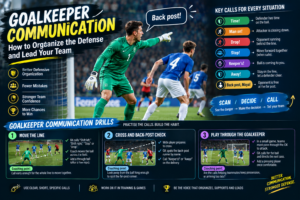
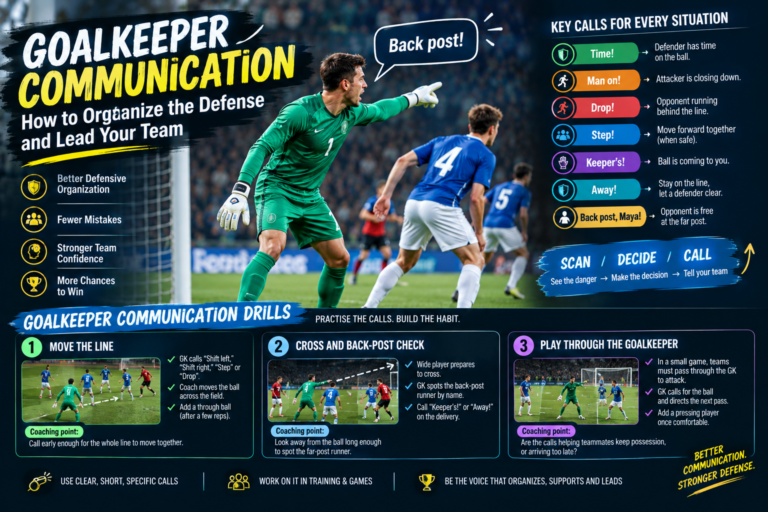
A goalkeeper who can read the game well can start attacks, clear up loose balls, and coordinate a defense with their voice. None of that lands on some height chart, you know. The keeper role has sort of become just as much about football intuition as it is about stature. That change is a major reason shorter, quicker keepers keep finding a way into pro soccer, even while the average height near the very top keeps ticking upward.
Soccer Goalie Size in Youth and College Development
Parents searching for soccer goalie size guidance are often really asking a different question underneath it: should a shorter kid keep playing the position at all? Almost always, yes. Player development at the youth and college soccer level rewards solid basics far more than it rewards an early height edge. A 13-year-old who reads crosses well and sets their feet before every shot is building skills that carry over no matter how tall they end up.
College soccer coaches, and later pro scouts, look at footwork, passing, and calm under pressure right alongside height, not instead of it. Focusing on how to be a good goalkeeper in the skill sense gives a young keeper something solid to build on while their body finishes growing on its own timeline.
Training the Things Height Can’t Buy
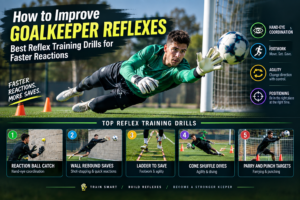
Reflexes and agility respond to training in a way that height never will. Repetition builds the instinct to get a hand to a shot that looks unstoppable. That instinct can be trained at any size. Knowing how to dive properly protects a goalkeeper’s body over a long season. It also makes full-stretch saves look smooth instead of desperate.
Catching technique deserves just as much attention as diving does. Clean hands under pressure stop second-chance goals before they happen. They also build trust with the defense in front of a goalkeeper. Good goalkeeper catching techniques turn a save into a clean catch. That sounds small until it happens in a match that’s actually on the line.
Structured private goalkeeper training tends to speed all of this up faster than a normal team practice can. The position needs focused reps, and a full squad session rarely has time to give a goalkeeper that kind of attention every single week.
The Real Answer
Under IFAB’s Laws of the Game, a goalkeeper faces no height rule at all, at any level, in any competition. Association football has never set a minimum, and it likely never will. The sport has always made room for goalkeepers who win through timing, courage, and good hands rather than pure size. Average goalkeeper height keeps climbing at the pro level, and that’s genuinely useful information for players and parents trying to set fair expectations. But height was never the deciding factor on its own. The goalkeepers who prove that point keep showing up on the biggest stages the sport has to offer, year after year.
Frequently Asked Questions
What’s the average height for a pro goalkeeper?
Most of them end up somewhere around 6’1″ or 6’4″, and the “typical” landing is more like 6’2″ to 6’3″. If you look at World Cup records, the pattern basically holds. Goalkeepers tend to be the tallest players out there, pretty consistently.
Is there a minimum height rule to play goalkeeper?
No, there isn’t any official requirement at any level. Youth clubs, high schools, and colleges usually choose keepers by their skill set and decision-making, not by some number on a chart.
Can a shorter person still be a strong goalkeeper?
Yes. A bunch of keepers listed under 5’10” have played professionally, and some even at the international level, mostly by using lightning reflexes, nimble movement, and tight positioning instead of relying on size.
How tall should a youth goalkeeper be?
There isn’t really a target height to chase. Growth changes a lot between about age 10 and 16. Coaches care more about footwork, grabbing the ball cleanly, and reading the game than what a kid happens to measure right now.
Does height matter more than reflexes for a goalkeeper?
Usually no. Taller stature can help with reach, and it’s useful for grabbing crosses, but reflexes, agility, and positioning decide a lot of the close-range saves and those 1v1 moments, regardless of how tall the keeper looks.
Do college and pro scouts only look for tall goalkeepers?
Not at all. Height is just one ingredient. Scouts also consider distribution, communication, and shot-stopping instincts right alongside that “taller” advantage.